

Thinking Outloud #3
What if you are the bravest person you know?

Courage inspires courage.
It’s one of the mantra’s I return to often.
Over the years, I’ve seen how these three words spark reflection, connection, and often, quiet resolve.
But what does courage really look like? More often than not, it’s not loud, dramatic, or publicly celebrated. Courage is often quiet, unseen, and deeply personal. It’s found in the moments where we make choices that no one else notices—choices that are, nevertheless, profoundly brave.
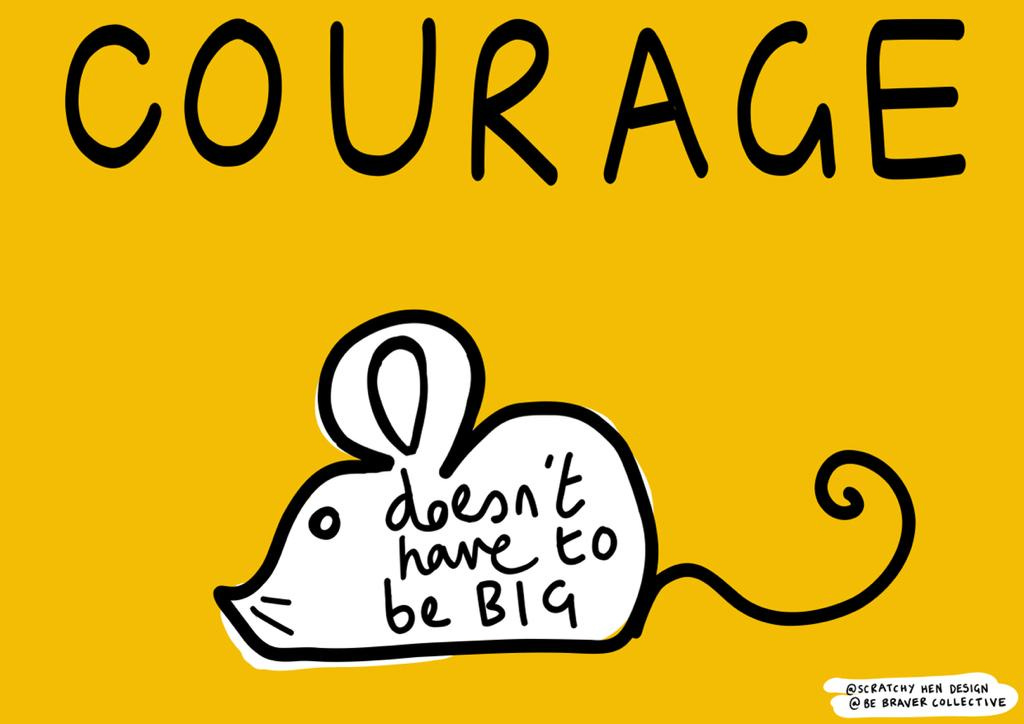
During a recent session with the WCT-FCT, I was reminded of the incredible power of quiet courage. The room was filled with remarkable women in tech—women choosing courage not just for themselves, but for the healthier, more sustainable futures they’re creating for their teams, communities, and organisations.
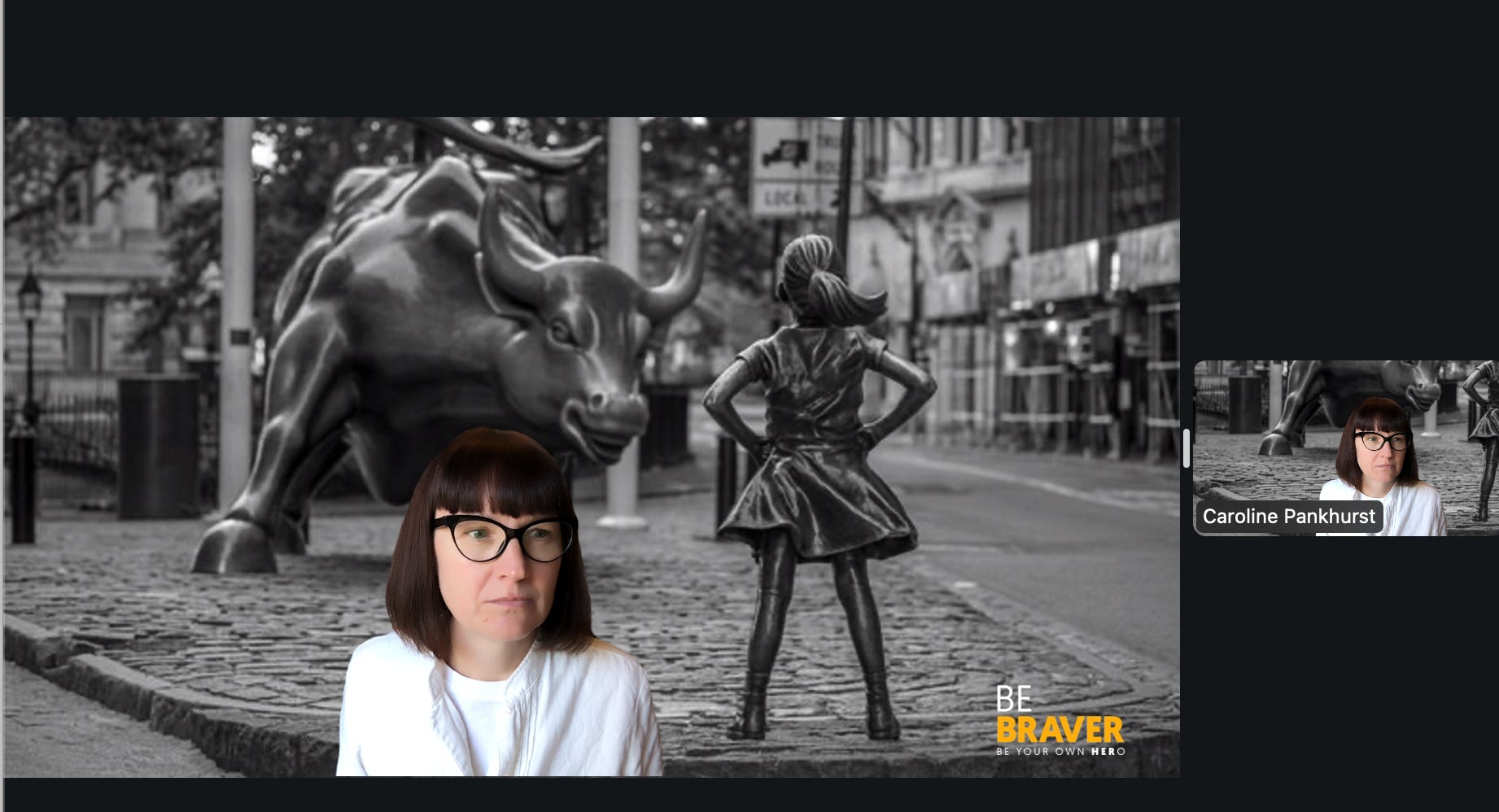
As we shared stories—from the well-known bravery of Ruth Bader Ginsburg and Whitney Wolfe Herde to the unsung courage of mothers, sisters, and grandmothers—one truth emerged: courage looks different for everyone, but its impact is always profound.
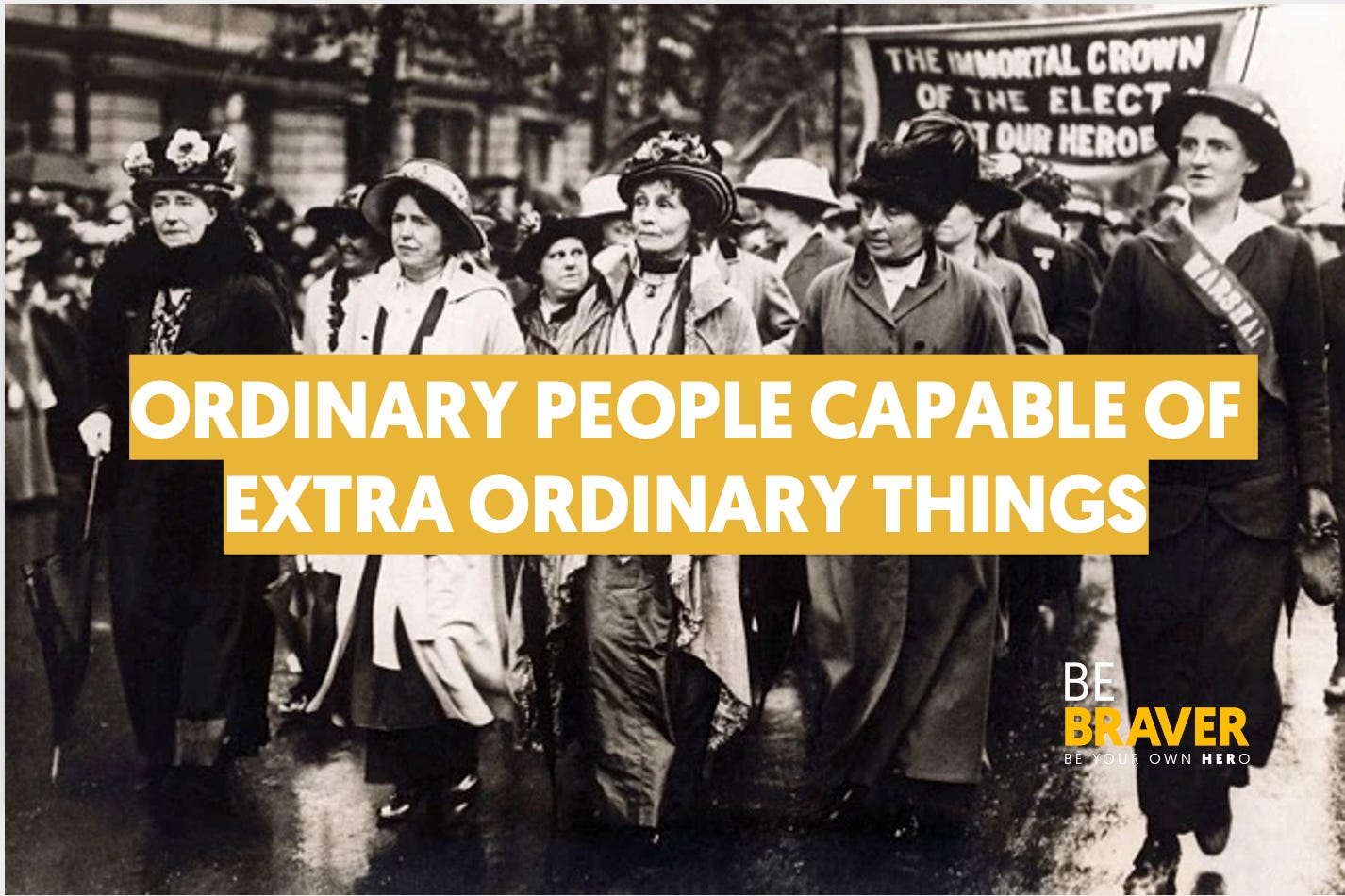
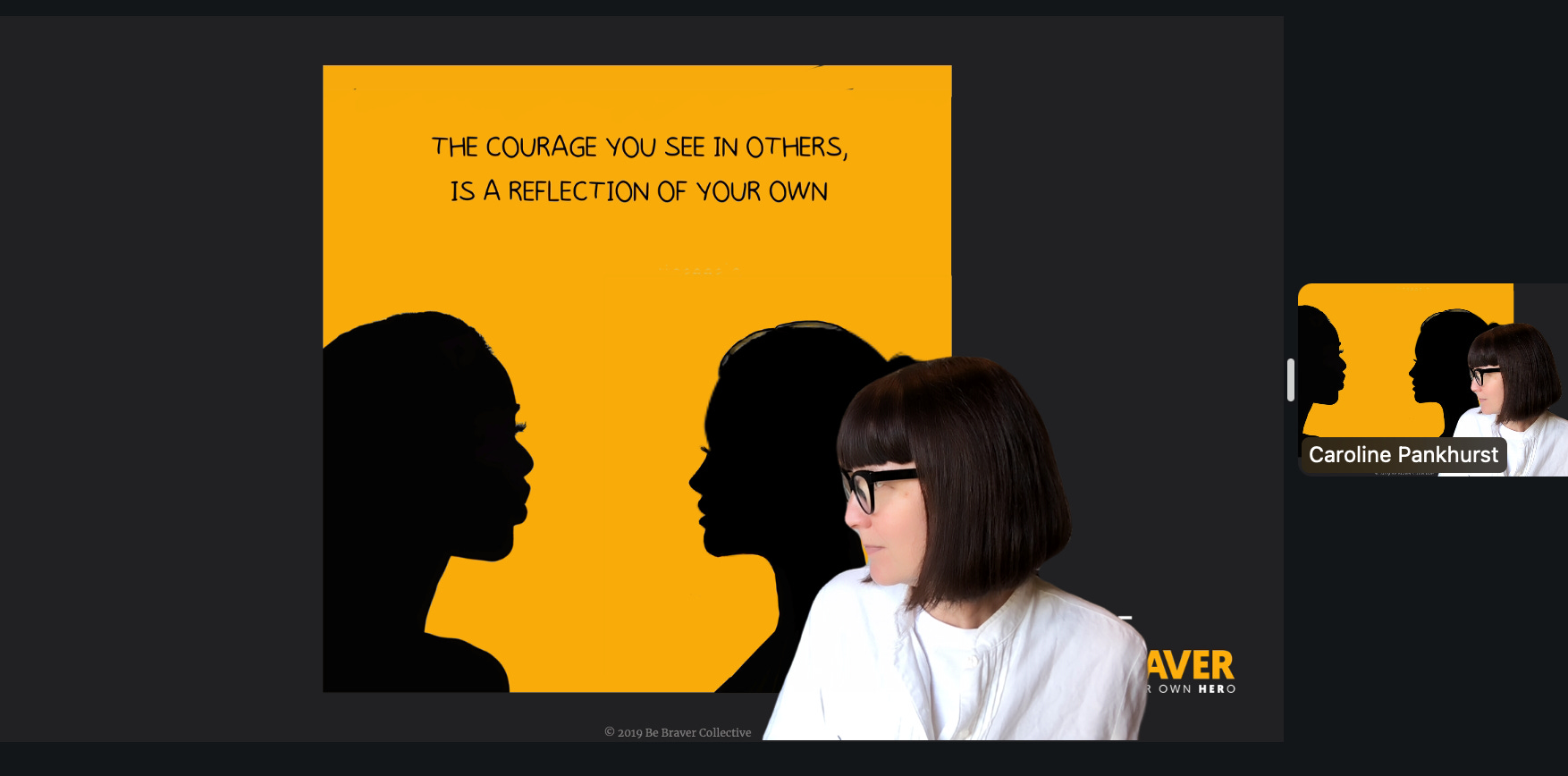
I’ve included a few of the slides from the presentation in here.
Their stories remind us that courage is a ripple effect—it starts small but transforms the world.
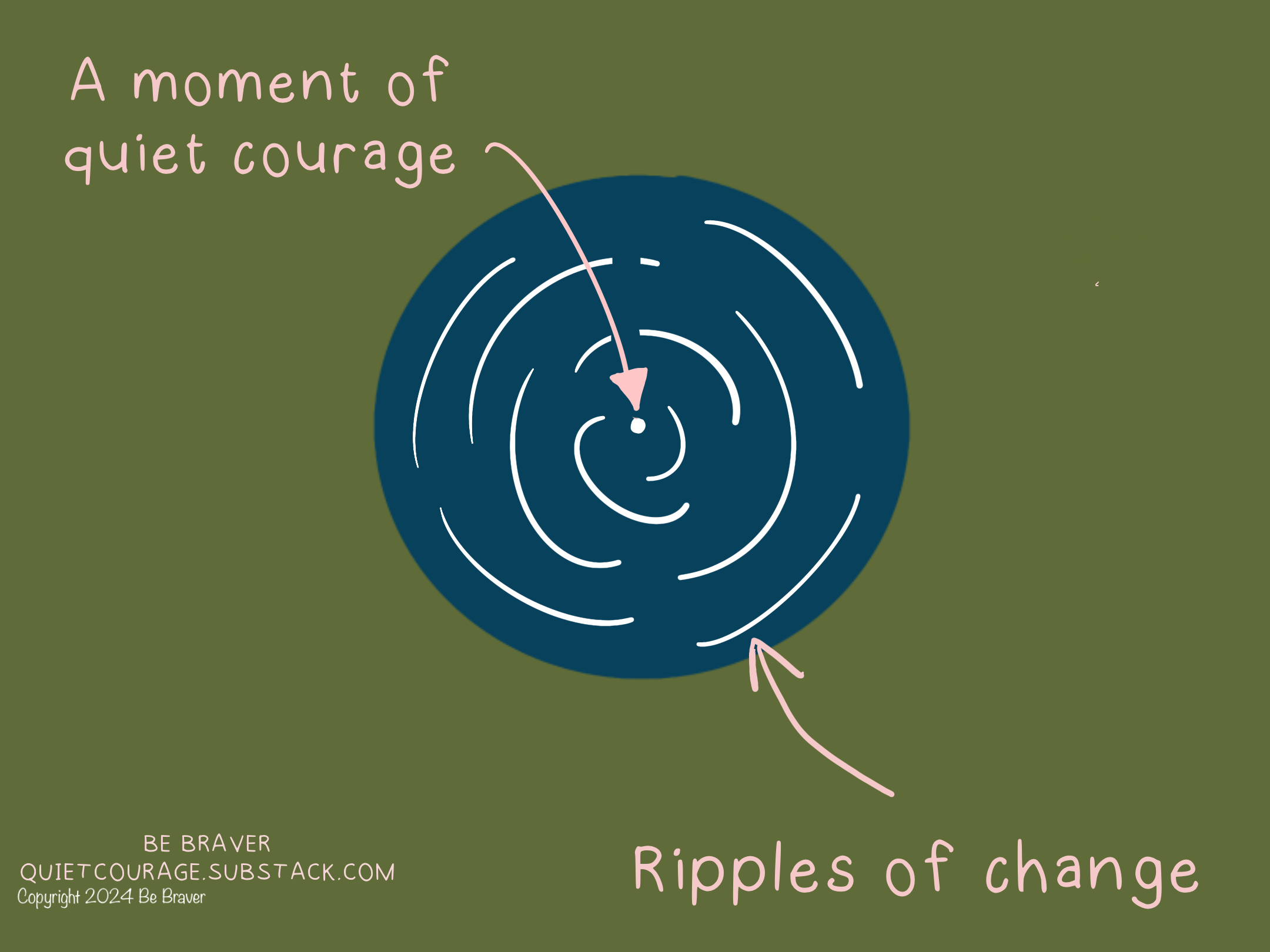
What is Quiet Courage?
When we think of bravery, we often imagine grand gestures or heroic actions. But quiet courage is different. It’s the strength to take action or persevere even when no one else is watching. It’s found in the decisions we make every day:
Speaking up in a meeting, knowing your perspective might not be popular.
Choosing to lead with empathy, even when it’s harder.
Persisting through self-doubt to take on a new challenge
Betting in yourself when no-one else does
Quiet courage isn’t flashy. It doesn’t seek applause or recognition. But it has the power to transform our lives and the lives of those around us.
Why Does Quiet Courage Matter?
Our society often celebrates bold, visible acts of bravery. But the quieter forms of courage are just as vital. They’re the foundation of meaningful, lasting change.
Quiet courage creates ripple effects:
It inspires others to take their own brave steps.
It fosters resilience in teams and communities.
It leads to sustainable progress by prioritising consistency over grand gestures.
In the stories shared during the session, I saw how women in tech are stepping forward—asserting boundaries, challenging biases, and shaping futures. Their courage might not always make headlines, but its impact is undeniable.
Recognising Quiet Courage in Yourself
Too often, we downplay our own courage. We brush off our achievements, telling ourselves they’re “just part of the job” or “not that big of a deal.” Yet in doing so we brush under the carpet the progress and strength we are building as a person of courage. We diminish ourselves.
What if I challenge you to consider that in all honesty the bravest person you will ever know is you?
Think about the small but significant moments in your life:
When was the last time you made a difficult choice, even if it felt risky?
How have your quiet acts of courage shaped the path you’re on today?
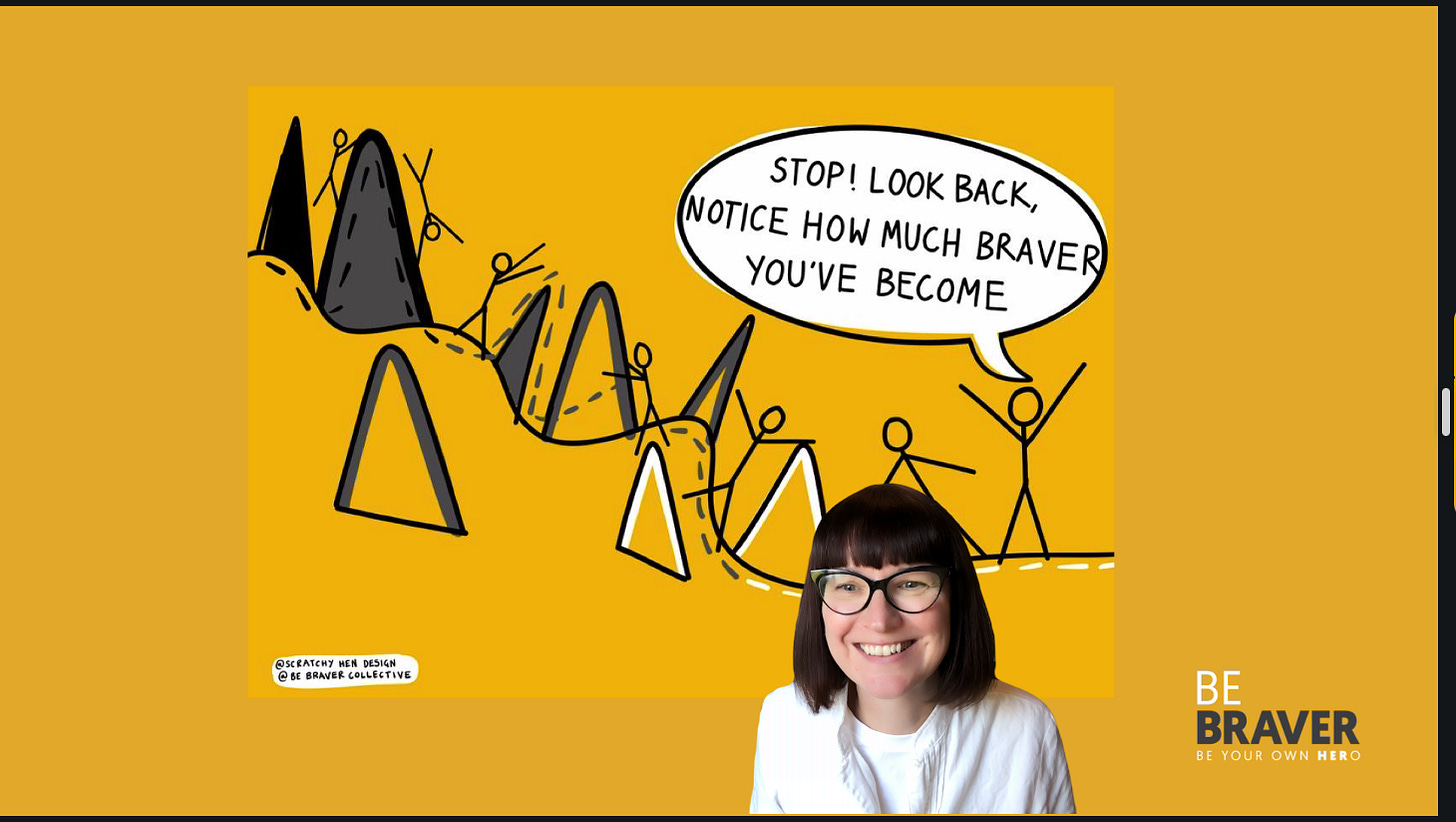
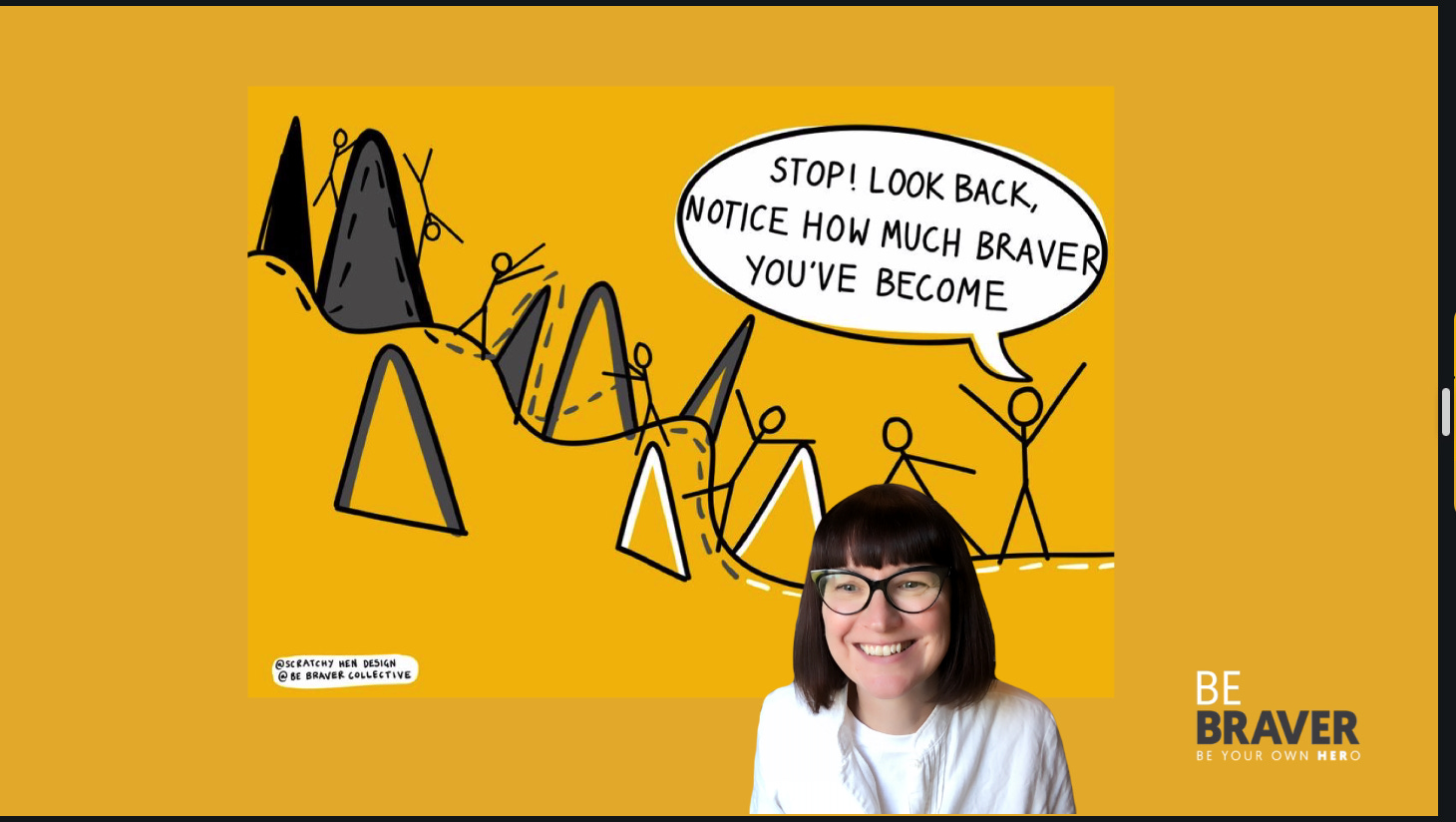
Recognising your courage isn’t about seeking validation; it’s about honouring your journey. When we see our own bravery, we empower ourselves—and we inspire others to do the same.
Why Your Bravery Matters, No Matter the Context
In a world where people face life-threatening conflicts, wars, and unimaginable adversity, it’s easy to feel that our own acts of courage pale in comparison. How can choosing to speak up in a meeting, pursuing a career change, or navigating personal struggles compare to the bravery of those fighting for their survival in the direst of circumstances?
The truth is, courage is not a competition. It’s not measured by the scale of the challenge but by the strength it takes to face the risks and uncertainties in your own life.
The Context of Courage
We don’t get to choose the circumstances we’re born into, the challenges we face, or the time in history we exist on this planet. Some people are thrust into conditions where survival itself is an act of bravery. Others live in relative peace, where courage takes on different forms—overcoming self-doubt, navigating loss, or stepping into the unknown in pursuit of their dreams.
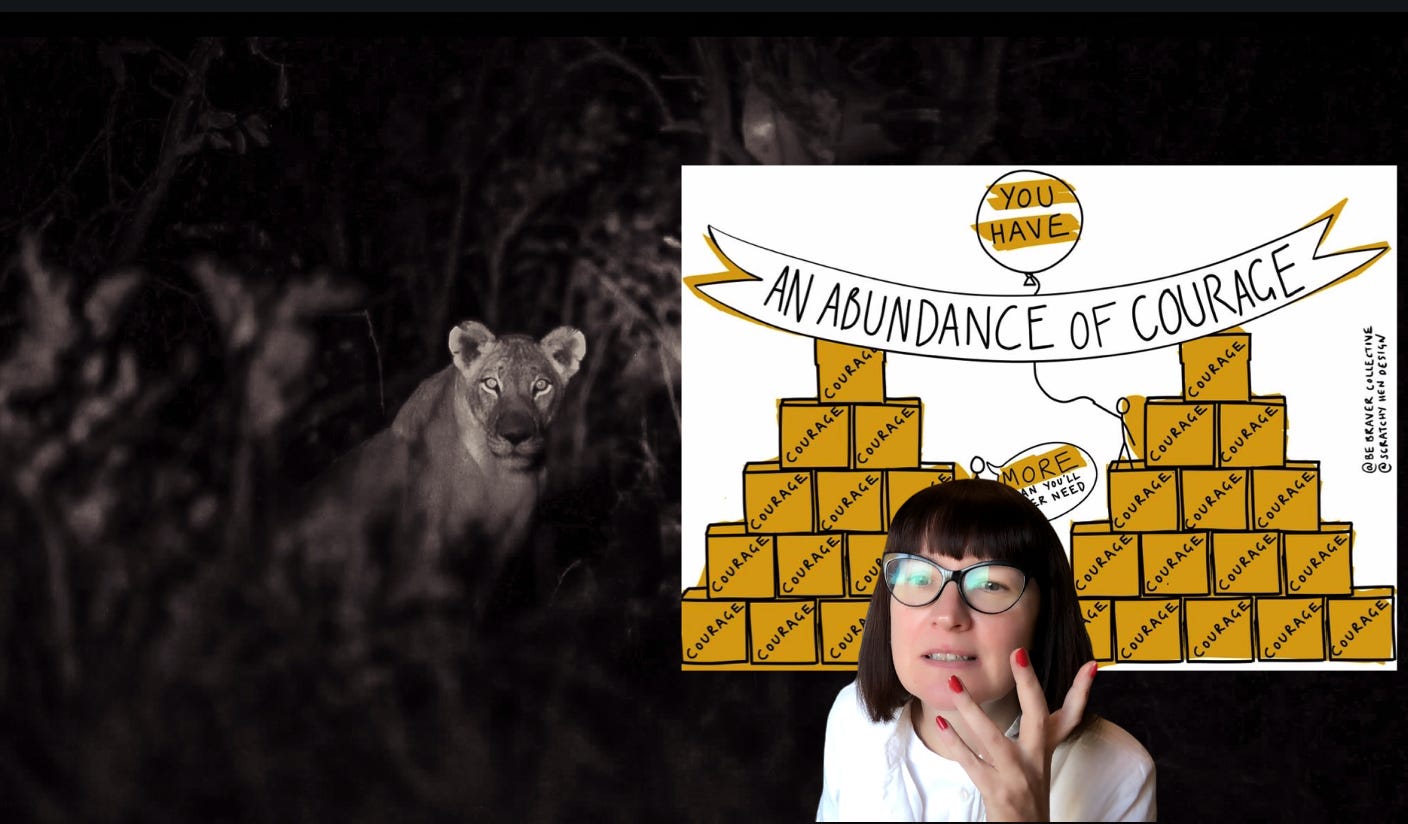
These contexts may be vastly different, but the emotional experience of courage is universal. It’s about stepping into discomfort, vulnerability, or fear to make a choice that aligns with your values, no matter how big or small that choice might appear to someone else.
Courage is Relative
Courage and risk tolerance are deeply tied to the conditions we find ourselves in. What feels like a small risk to one person might feel monumental to another, depending on their upbringing, circumstances, or personal experiences.
For someone recovering from trauma, going to work or engaging socially might be an immense act of bravery. For someone with deeply ingrained fears of failure, starting a new venture might feel like leaping off a cliff.
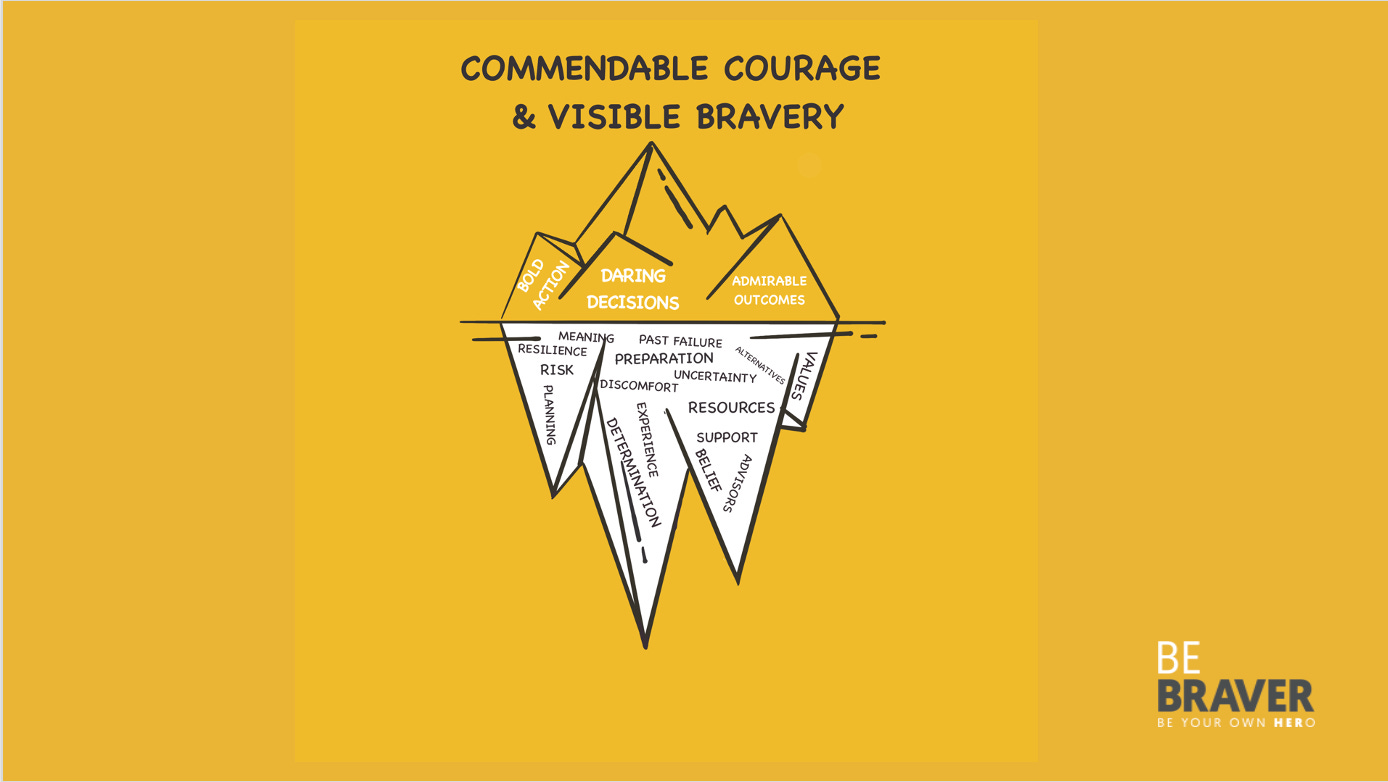
This relativity doesn’t diminish the courage of others or your own. Instead, it highlights the deeply personal nature of bravery.
Courage in All Its Forms
Yes, there are extraordinary acts of bravery happening around the world every day. People are facing wars, displacement, and life-threatening situations with unimaginable resilience. Their courage is profound and should be honoured.
But their bravery doesn’t invalidate yours. You don’t have to face a battlefield to be brave. The courage it takes to face the challenges in your life matters, too. It is through recognising and honouring all forms of courage—both extraordinary and everyday—that we create a more compassionate and understanding world.
So, whatever your context, take a moment to commend yourself for the risks you’ve taken, the fears you’ve faced, and the bravery you’ve shown. Courage, in any form, is worthy of celebration
The Danger of Comparison
When we compare our courage to others, we risk minimising our own experiences or feeling shame for not “measuring up.” But courage isn’t about how our actions look to others—it’s about what they mean to us.
A parent showing up for their children while navigating their own struggles is courageous.
An individual making the choice to seek help for mental health is courageous.
A leader admitting they don’t have all the answers and choosing vulnerability over pride is courageous.
Each of these actions might seem small to some, but they require the same emotional fortitude as larger, more visible acts of bravery.
Honouring Your Own Courage
Instead of comparing your courage to that of others, reflect on what bravery looks like in your own life. Ask yourself:
What risks have I faced, relative to my own circumstances?
What have I chosen to do, despite fear or uncertainty?
How has my courage shaped the life I’m living today?
When we stop comparing and start honouring our own bravery, we recognise that courage isn’t about size or scale—it’s about the depth of our commitment to act despite the risks.
I know you see courage in others. That does of course matter too.
Try saying to someone “I see your courage and it inspires me”.
Want To Collaborate in 2025? Me Too.
I’m available as a speaker, facilitator, and podcast guest, sharing insights on courage, leadership, and creating impactful change. I also deliver the transformative Be Braver mindset and programme through workshops, tailored sessions, and one-to-one coaching—empowering individuals and teams to embrace their boldest selves.
Questions or ideas?
Please get in touch - I love them both.

